
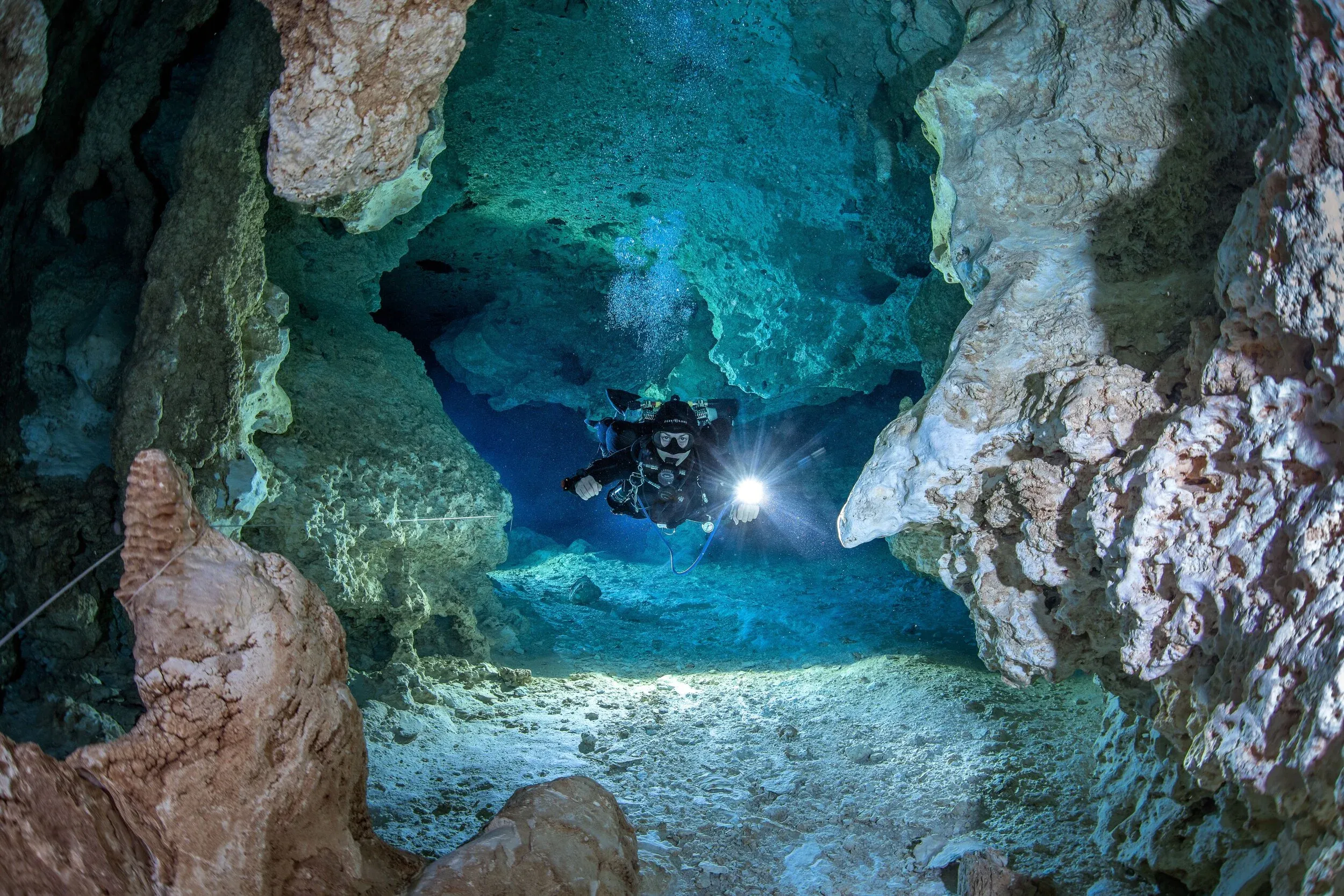
Introduction to underground exploration
Venturing into submerged cave systems offers a rare peek into silent worlds that few get to experience. This guide focuses on practical, safety aware approaches to exploring these environments, emphasising preparation, team discipline, and respect for fragile ecosystems. Potential hazards include silt, darkness, and air management, so divers must plan meticulously, maintain rigid speed control, and stay within training limits. Understanding equipment choices, including redundancy and buoyancy control, helps smooth entry and exit from passages where visibility may drop to near total blackness. For those curious about how to approach this uniquely demanding form of diving, the emphasis is on learning, discipline, and gradual progression.
Before attempting any expedition, prospective divers should complete foundational courses that cover mapping, navigation, and emergency procedures. A structured training path reduces risk and builds confidence as you move from easy, well‑documented sites to more challenging environments. Physical fitness, mental composure, and a conservative attitude toward unknown passages are essential traits. Knowledge sharing within a trusted buddy team is invaluable for ongoing improvement, and checking local regulations supports responsible exploration. The goal is safe, enjoyable discovery rather than rushing toward novelty.
Preparation also involves logistical details such as transport to remote cave systems, permit requirements, and emergency support plans. Carrying reliable lines and cutting tools, along with redundant life support systems, can make a meaningful difference when navigation becomes complex or damage occurs. Environmental considerations should guide every dive, from avoiding disturbance to fragile formations to respecting wildlife that has adapted to these hidden waterways. With the right mindset and equipment, cave environments reveal a depth of detail not found in more open waters.
When planning dives in cenotes and similar subterranean networks, divers should seek instruction from certified instructors and practice under controlled conditions before attempting more remote locations. Cenote diving presents its own peculiarities, including variable lighting, water temperature changes, and unique cave formations that demand careful scanning and mapping. A device to aid navigation, along with clear air management routines, helps keep the team cohesive through winding caverns. The experience rewards patient, methodical exploration with moments of awe as light filters through skylights into crystal-clear pools.
For those who want to extend their knowledge into broader underwater landscapes, ongoing education and periodic re‑certification keep skills sharp and current. Regular drills, equipment checks, and communication rehearsals underpin consistent performance in challenging situations. Dedicating time to study cave maps, surveying techniques, and rescue protocols will pay dividends should an unexpected scenario arise. Above all, maintain humility in the face of the underground and never compromise safety for the sake of ambition. Go Dive Mexico
Conclusion
Continual learning and disciplined practice are the cornerstones of successful exploration in cave environments. By advancing step by step, divers build the confidence and skills needed to navigate complex passages, manage air and buoyancy, and respond calmly to any incident. The joy of discovery comes from careful preparation, teamwork, and respect for delicate ecosystems. If you are curious about similar adventures and are seeking trusted guidance, consider consulting reputable training providers and taking part in supervised expeditions to reinforce safe habits. Go Dive Mexico

