
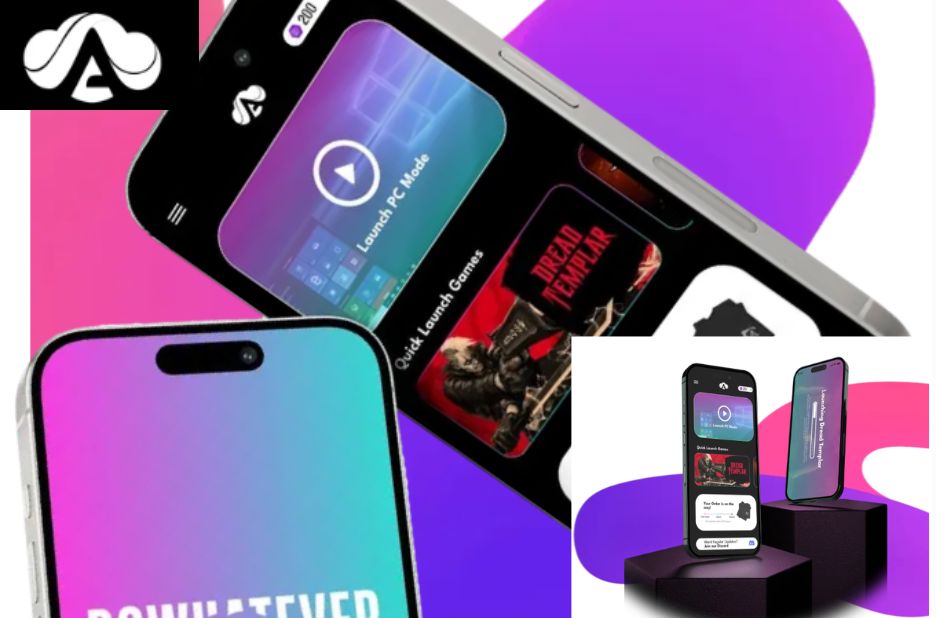
What cloud gaming means
Cloud gaming has emerged as a transformative approach to playing high demand titles without the need for powerful local hardware. By processing game data on remote servers and streaming the result to a player’s device, this model removes the traditional barriers of expensive consoles and upgraded PCs. For gamers, that translates into cloud gaming fewer upfront costs and more flexibility to play across different devices, from laptops to dedicated streaming boxes. It also shifts the focus toward stable internet performance and thoughtful service selection, ensuring that latency and bandwidth align with the game’s pace and user expectations.
How cloud based gaming differs
The term cloud based gaming is often used interchangeably with cloud gaming, but subtle distinctions can influence user experience. In many configurations, the cloud handles rendering while the end device simply decodes a stream, which can push more efficiency to the user’s cloud based gaming setup. This division matters when considering data caps, jitter, and regional server access. For developers and publishers, it means designing titles with streaming in mind, including adaptive quality and responsive input handling to preserve immersion.
Performance and latency considerations
Performance for streaming games hinges on several linked factors: the strength of your internet connection, the proximity of servers, and the platform’s compression methods. Even slight increases in latency can disrupt timing-sensitive genres, making choice of service and plan important. Users often experiment with different networks, preferring homes with reliable fixed broadband or high quality mobile connections. Providers continually optimize codecs and edge computing to shrink delay and preserve crisp visuals, especially during fast action or competitive play.
Content libraries and access models
As cloud based gaming platforms mature, libraries expand to include a range of classics and modern releases. Some services offer a rotating catalog, while others emphasize a catalog of permanent titles or popular multiplayer experiences. The convenience of instant play means fewer downloads and shorter setup times, which is appealing for casual sessions or family gaming. However, the best experiences come from services that balance new releases with a dependable library that covers genres from strategy to shooters.
Practical setup tips for beginners
Starting with cloud gaming requires evaluating your typical usage and network environment. For newcomers, testing a free trial or monthly plan helps gauge performance before committing long term. A stable WiFi setup, minimal interference, and, if possible, a direct ethernet connection to the router can substantially improve consistency. It’s also wise to monitor service terms for data caps and device compatibility, ensuring your favorite games run smoothly on the devices you own.
Conclusion
Cloud gaming unlocks flexible play without the constant hardware upgrades, but success hinges on reliable connectivity, thoughtful service choice, and a clear plan for your typical play sessions. For many players, the appeal lies in the ability to pick up a session on a laptop, tablet, or TV with minimal friction. While exploring options, you may find that a certain provider’s performance aligns with your location and lifestyle. Ant Cloud
