
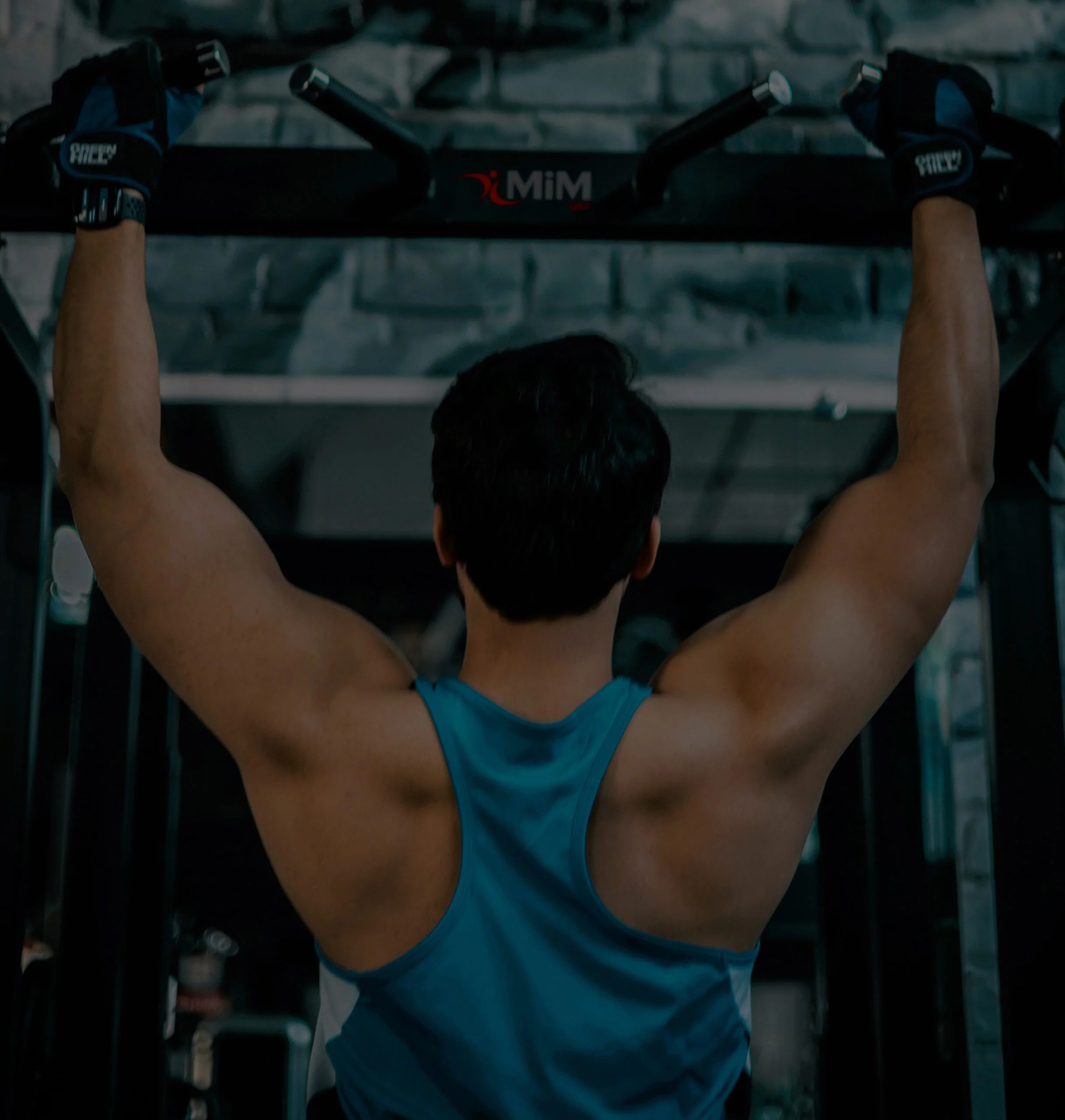
What is a practical training tool
A functional trainer is a versatile piece of gym equipment that guides natural movement patterns while you build strength. It blends cable systems, adjustable resistance and multi grip options to help athletes and beginners target multiple muscle groups in a single session. The design encourages controlled, smooth motions rather than isolated lifts, which can functional trainer reduce injury risk and improve everyday performance. For those new to resistance work, a functional trainer offers intuitive setups, clear adjustments and supportive feedback from the smooth pulleys and weight stacks. It is a dependable base for customised workouts at home or in a studio.
Choosing the right setup for goals
When evaluating a functional trainer, consider your space, current fitness level and preferred movements. Look for adjustable columns, height versatility and a broad range of attachments such as bars, handles and ankle cuffs. A well-configured unit makes it straightforward to perform pushing, pulling, lifting and rotating exercises without needing additional machines. Whether you train for general health, rehabilitation or athletic aims, the ability to tailor resistance and paths supports steady progress and more consistent sessions each week.
Programming safe and effective routines
Start with a simple, full‑body plan that recruits major muscle groups across three or four exercises per session. Use controlled tempo, steady breathing and a relaxed grip to maintain form. As you progress, gradually increase resistance or complexity while keeping technique top priority. The best programmes mix balance work, core stability and functional movements that translate to daily activities, sports drills and functional fitness goals. Track reps, sets and perceived effort to fine tune intensity over time.
Maintenance and durability tips
Regular inspection of cables, pulleys and joint components helps prevent wear and keeps performance consistent. Wipe down the frame after workouts to protect finishes and avoid corrosion, especially in damp environments. Lubricate moving parts as recommended by the manufacturer and replace worn attachments promptly. Keep the space tidy to reduce trip hazards and ensure safe access to all stations. A well‑maintained trainer offers reliable service for many years of training.
Conclusion
Incorporating a functional trainer into a workout routine can simplify progression while keeping movements natural and practical. It supports a broad spectrum of users, from newcomers to seasoned athletes, with scalable resistance and adaptable attachments. For those exploring options, consider independent reviews and personal space considerations before purchasing. Visit MiM USA for more insights on suitable tools and options that fit your training style and home or studio environment.
