
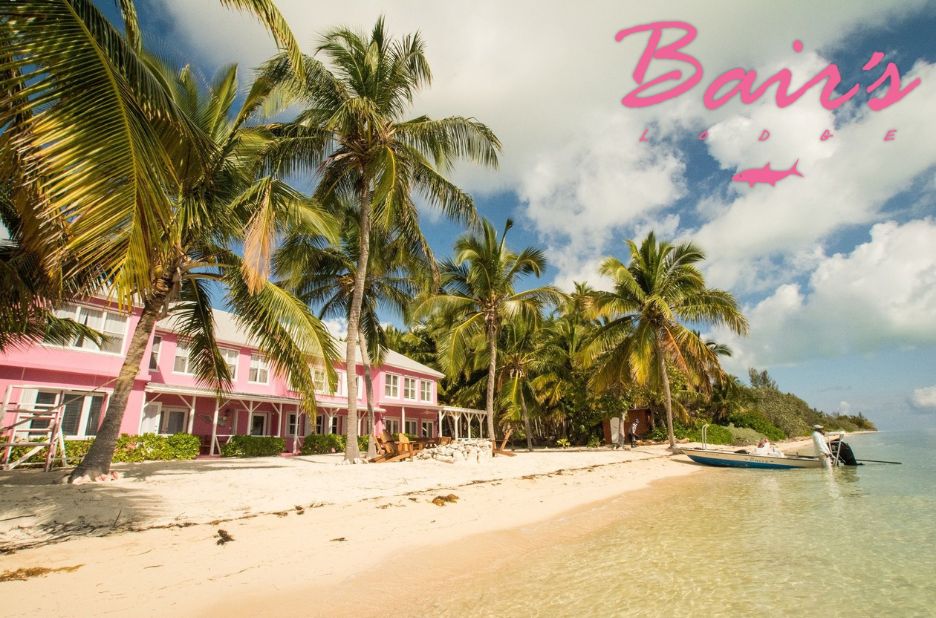
Why the flats matter
The Bahamas’ shallow turquoise flats are a natural sanctuary for bonefish, offering long, sweeping runs and tricky launches for anglers. The key to a rewarding day lies in calm seas, clear light, and the patience to watch every tail slap. As you wade, adjust your stance with Bonefishing in Bahamas the current, allowing your line to quarter smoothly. This environment rewards subtle reads and accurate casts, rather than speed. For first time visitors, choosing a guided expedition can transform cautious curiosity into confident, ethical angling that respects the delicate ecosystem.
Gear and setup essentials
Reliable gear makes the difference when pursuing Bonefishing in Bahamas. A medium-fast action rod, 8 to 9 feet, paired with a 10 to 12 weight reel, suits most flats conditions. Choose a salt-friendly line that can handle bonefish leaders of 12 to 20 pounds with a reinforced knot. Pack a small, waterproof pouch for tippet material, scissors, and a compensating float to keep your fly presentation streamlined in shallow water. Sun protection and hydration round out a practical setup.
Where to fish on the island chain
On the islands, guiding services often tailor routes to the day’s light, wind, and tide. Early mornings yield the best sight fishing, while a midday lull may offer stealthier opportunities around mangrove banks. Look for white sandy patches that contrast against dark seagrass, as bonefish often anchor near structure during higher tides. The versatility of Bahamian flats means that a seasoned guide can switch from west to east with minimal disruption to the day’s rhythm.
Navigating tides and conditions
Tide cycles control how fish move along the flats, exposing feeding lanes and altering the distance you must cover on foot. Planning around the tide chart helps you time casts to forthcoming breaks and tailing fish. Efficient anglers learn the wind’s whisper, adjusting their stance and line trajectory to keep flies tight and presentations crisp. It’s a practice of listening to currents as much as casting into them, protecting both your energy and the fragile habitat.
Culture and conservation on the flats
Bonefishing in Bahamas blends sport with a deep respect for the marine environment. Local guides share etiquette on footprint minimisation, catch-and-release handling, and responsible tagging. Observing and learning about the sea grass beds, coral patches, and resident predators enhances every outing. The shared responsible ethos helps sustain the flats for generations of anglers, residents, and visitors alike, ensuring that this unique fishery thrives without compromising its beauty.
Conclusion
For those seeking a balanced, practical approach to pursuing Bonefishing in Bahamas, the experience rewards careful planning, ethical practice, and patient observation. It’s a day that rewards quiet focus, clean casts, and respect for the delicate ecosystem beneath the surface. Bair’s Lodge
